
Dallas, TX
Dallas is the hardest part of the metro to generalize about, because the building stock runs from 1920s Tudors in Lakewood to tilt-wall warehouses off Stemmons and converted brick lofts in the Design District.
See Dallas coverage
A service-area business covering the DFW metro. There is no showroom, because the work is in your building, and the building is what decides how a job runs.
Three pages, each with something genuinely specific about that part of the metro: the building stock, the constraints, and the services that part of DFW asks for most.
Dallas is the hardest part of the metro to generalize about, because the building stock runs from 1920s Tudors in Lakewood to tilt-wall warehouses off Stemmons and converted brick lofts in the Design District.
See Dallas coverage

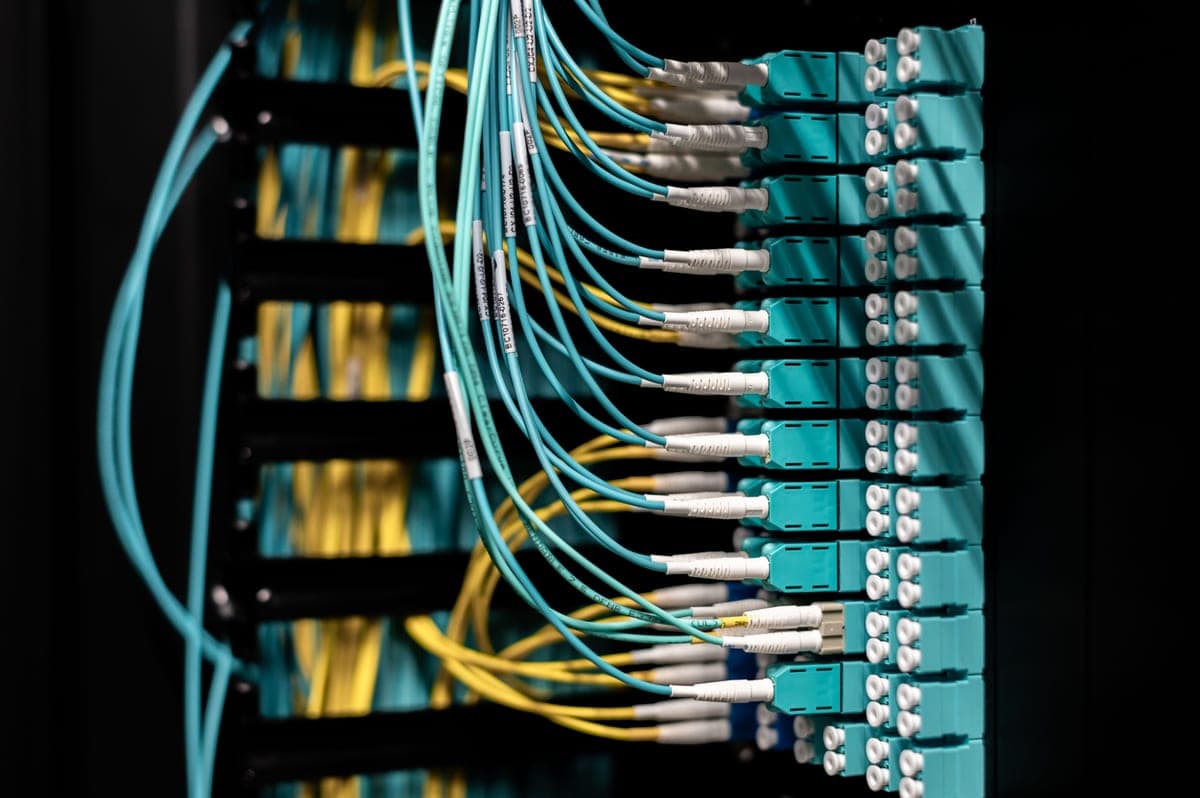
Plano is the easiest part of the metro to cable and the easiest to get wrong.
See Plano coverage
The covered area is Dallas-Fort Worth and the surrounding metro. That includes Dallas and Tarrant counties and the inner parts of Collin and Denton counties, which is where Plano, Richardson, Carrollton, Addison, Garland, Irving, Arlington and the rest of the inner ring sit.
Three cities have their own pages because they are the three the search data actually supports writing about: Dallas, Fort Worth and Plano. Pages for further cities will be added as coverage is confirmed rather than written speculatively, because a page for an area nobody can realistically get to generates inquiries that waste everybody’s time.
For somewhere at the outer edge of the metro, or for an event outside it, the honest thing is to ask rather than assume. Travel time changes the arithmetic on a small job, and it is better to say so before you have planned around it.
DFW is unusually varied for low-voltage work, and the differences are not cosmetic. A 1920s Tudor in Lakewood has plaster over wood lath, no conduit anywhere and a crawl space under the floor. A 1990s house in West Plano has a decked, walkable attic and very often a builder-installed wiring panel sitting unused in a closet. A converted warehouse in the Design District has no ceiling void at all, so cable is visible by definition. A new distribution building on the Alliance corridor is large enough that the 100-meter copper limit, not the building fabric, is the first constraint.
Those four buildings need four different methods, and that is before historic-district rules and HOA architectural guidelines come into it. The city pages exist to set out those differences rather than to repeat the same copy with the place name swapped.
Coverage does not vary by service. What varies is which services each part of the metro asks for most, which is noted on each city page.
Wired PoE camera systems you own outright, with the recorder, cabling and remote viewing set up and labeled.
See what's included
Wired Ethernet, patch panels, switching and wireless access points, planned so the network stops being the bottleneck.
See what's included
Displays, speakers, sources and control wired and configured so one remote or one tablet runs the room.
See what's included
Hybrid meeting rooms where remote attendees can hear everyone, built around the room's acoustics and its network drop.
See what's included
Plain-English advice on sound, screens and streaming for small and medium congregations, including what not to buy yet.
See what's included
Call and ask. It is a thirty-second conversation and it saves you planning around an assumption.